
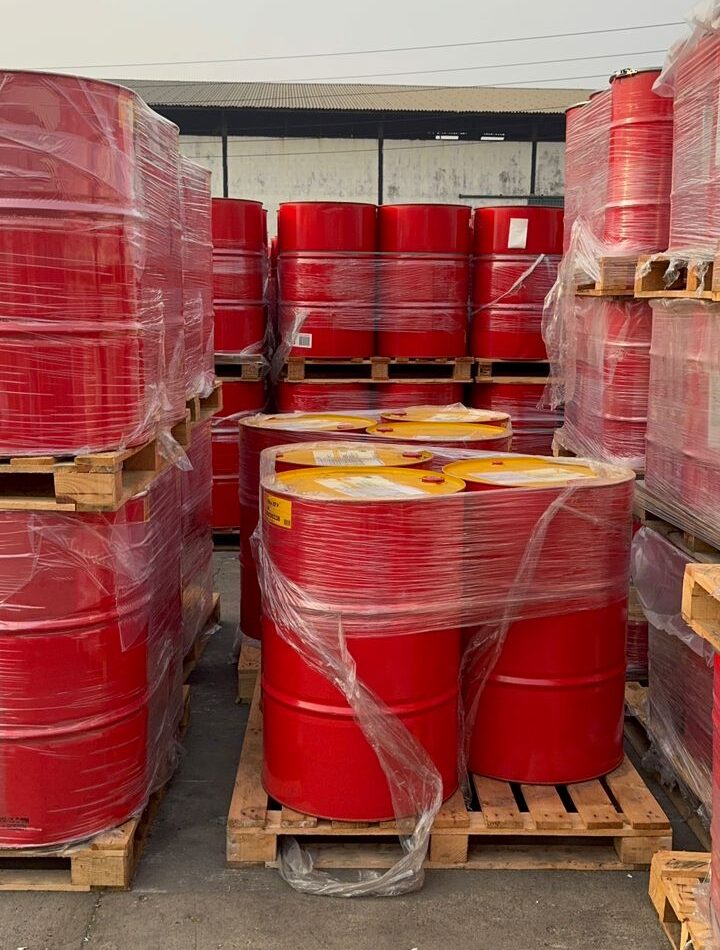
Hydraulic Oil Supplier in Nigeria
Hydraulic Oil Suppliers in Nigeria. When industrial equipment operates under high pressure, temperature, and continuous load, the quality of its hydraulic fluid can directly affect reliability, efficiency, component life, and maintenance costs. Hydraulic Oil is specially formulated to transmit power efficiently through hydraulic systems while providing lubrication, wear protection, corrosion resistance, and thermal stability. For businesses searching for a dependable Hydraulic Oil Supplier in Nigeria, choosing the right product and supplier is essential.
ENX Energy and Chemicals Nigeria Limited, located at 21 Unity Road, Off Toyin Street, Ikeja, Lagos, Nigeria, supplies industrial lubricants and provides energy and chemical solutions to businesses across Nigeria. Its industrial lubricant portfolio supports factories, construction companies, corporate organizations, hotels, hospitals, and other businesses that depend on reliable machinery and equipment.
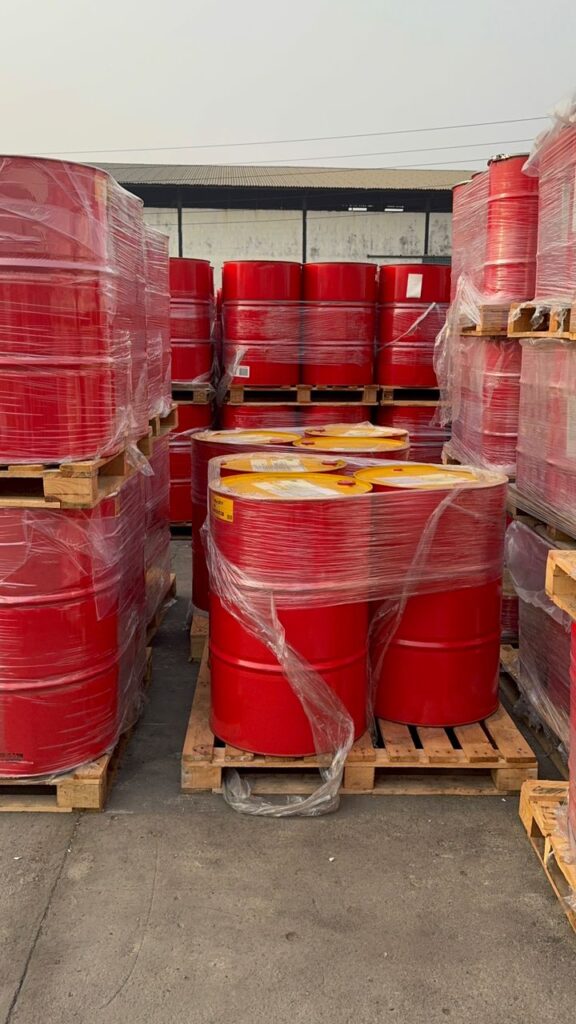
What Is Hydraulic Oil?
Hydraulic Oil is a specialized fluid used in hydraulic power systems to transfer energy from a pump to hydraulic actuators such as cylinders and motors.
Unlike ordinary lubricating oils, hydraulic fluids must perform several functions simultaneously. They need to maintain suitable viscosity, minimize wear between moving components, resist oxidation, control foam, protect metal surfaces against corrosion, and remain stable under demanding operating conditions.
A typical hydraulic system may contain:
- Hydraulic pumps
- Hydraulic cylinders
- Hydraulic motors
- Valves
- Hydraulic hoses and fittings
- Reservoirs
- Filters
- Pressure-control components
The hydraulic fluid circulates through these components, transferring pressure and lubricating internal surfaces.
For this reason, selecting appropriate Hydraulic Oil is not simply a matter of buying the cheapest available lubricant. The fluid must match the equipment manufacturer’s requirements and the operating environment.
Hydraulic Oil Supplier in Nigeria: Why Product Selection Matters
Nigeria’s industrial environment presents demanding operating conditions. Heavy machinery may operate for extended periods in high ambient temperatures, dusty environments, construction sites, manufacturing facilities, ports, farms, and oil and gas operations.
A suitable hydraulic lubricant should therefore provide dependable performance under the specific operating conditions of the equipment.
When selecting a Hydraulic Oil Supplier in Nigeria, procurement teams should consider:
- Equipment manufacturer’s specifications
- Required viscosity grade
- Operating temperature
- System operating pressure
- Pump type
- Hydraulic component materials
- Expected service interval
- Contamination-control requirements
- Compatibility with seals and system components
- Applicable lubricant specifications and approvals
A professional supplier should be able to help customers identify the appropriate hydraulic-fluid specification rather than simply supplying a generic product.
Types of Hydraulic Oil
There are different hydraulic-fluid formulations designed for different applications.
Mineral-Based Hydraulic Oil
Mineral-oil-based hydraulic fluids are widely used in industrial machinery and mobile equipment. They can provide good lubrication, wear protection, oxidation resistance, and corrosion protection when correctly formulated.
They are commonly found in:
- Manufacturing equipment
- Hydraulic presses
- Injection-moulding machines
- Construction machinery
- Agricultural machinery
- Material-handling equipment
Anti-Wear Hydraulic Oil
Anti-wear hydraulic oils contain additives designed to reduce wear in pumps, valves, and other hydraulic components.
They are particularly useful where hydraulic systems operate under significant mechanical loads.
Common applications include:
- Excavators
- Forklifts
- Cranes
- Hydraulic presses
- Industrial production equipment
- Construction machinery
High-Performance Hydraulic Fluids
Some applications require hydraulic fluids with enhanced oxidation stability, thermal performance, cleanliness characteristics, or extended service capability.
The appropriate product should always be selected according to the equipment manufacturer’s recommendations.
Hydraulic Oil Specifications and Performance Characteristics
A quality Hydraulic Oil should possess characteristics appropriate to the hydraulic system in which it is used.
Important properties include:
1. Viscosity
Viscosity describes a fluid’s resistance to flow. Hydraulic systems require an appropriate viscosity range to ensure adequate lubrication while allowing efficient circulation.
A fluid that is too viscous may increase energy losses and make cold starting difficult, while a fluid that is too thin may provide inadequate lubrication and increase wear.
2. Oxidation Stability
Hydraulic oil is exposed to oxygen, heat, and mechanical stress during operation. Good oxidation resistance helps prevent degradation, sludge formation, and varnish deposits.
3. Anti-Wear Protection
Hydraulic pumps and valves contain precision-machined components operating under pressure. Anti-wear additives help protect these surfaces against excessive mechanical wear.
4. Corrosion Protection
Moisture and contaminants can contribute to corrosion. Appropriate hydraulic fluids contain corrosion-inhibiting properties that help protect metallic components.
5. Foam Control
Foam can interfere with hydraulic-system performance because air entrainment can affect fluid compressibility and heat transfer. Properly formulated hydraulic fluids provide controlled foaming characteristics.
6. Demulsibility
In environments where water contamination is possible, the ability of a hydraulic fluid to separate from water can be important.
7. Thermal Stability
Hydraulic systems can generate considerable heat. The lubricant must maintain appropriate performance across the expected operating-temperature range.
Hydraulic Oil for Nigerian Industrial Applications
Hydraulic systems are fundamental to numerous industries in Nigeria.
Manufacturing
Factories depend on hydraulic systems for presses, production lines, material-handling systems, injection-moulding machinery, and other equipment.
Unexpected hydraulic-system failure can result in production downtime and increased maintenance costs.
Construction
Construction companies operate equipment such as excavators, loaders, cranes, bulldozers, and other hydraulic machinery.
These machines can operate under heavy loads and harsh site conditions, making appropriate hydraulic-fluid selection particularly important.
Oil and Gas
Hydraulic equipment is used throughout various segments of Nigeria’s oil and gas industry. Equipment reliability is particularly important where machinery operates in demanding environments and downtime can have significant operational consequences.
Agriculture
Modern agricultural machinery increasingly incorporates hydraulic systems for lifting, steering, implements, and other functions.
Hospitals and Commercial Facilities
While hospitals and hotels may not use hydraulic equipment at the same scale as factories or construction companies, hydraulic systems and industrial machinery may still require specialized lubricants for reliable operation.
Why Buy Hydraulic Oil from ENX Energy and Chemicals Nigeria Limited?
ENX Energy and Chemicals Nigeria Limited provides industrial lubricant supply as part of a broader portfolio of energy and chemical solutions.
Located in Ikeja, Lagos, ENX serves businesses seeking dependable industrial products and technical supply support.
Its core offerings include:
- Industrial lubricants supply
- Diesel (AGO) supply
- Tank calibration services
- Fuel equipment
- Industrial chemicals
This broader product capability can be particularly useful for organizations that prefer to consolidate multiple industrial procurement requirements through an experienced supplier.
For procurement managers, plant operators, and corporate buyers, important considerations when evaluating a lubricant supplier include product quality, product availability, technical suitability, supply reliability, and customer support.
Hydraulic Oil Supplier in Nigeria for Industrial Procurement
For companies purchasing hydraulic lubricants in commercial quantities, procurement should extend beyond the product itself.
A dependable supplier should be able to support customers with:
Product identification:
Helping customers identify the appropriate hydraulic lubricant based on equipment requirements.
Reliable supply:
Maintaining dependable access to products needed for routine maintenance and operational continuity.
Technical information:
Providing relevant product documentation, specifications, safety information, and application guidance where available.
Industrial understanding:
Understanding that lubricant requirements differ between a factory, construction site, logistics operation, hospital, hotel, and oil and gas facility.
Professional service:
Responding efficiently to enquiries and supporting planned procurement requirements.
These factors can make the difference between simply purchasing oil and establishing a dependable industrial-lubricant supply relationship.
How to Choose the Right Hydraulic Oil
Before purchasing hydraulic oil, businesses should gather information about the equipment.
Check the Equipment Manual
The equipment manufacturer normally specifies the recommended hydraulic-fluid grade, viscosity, performance level, or approved products.
Identify the Viscosity Requirement
Common viscosity classifications include ISO VG grades such as:
- ISO VG 32
- ISO VG 46
- ISO VG 68
However, the correct grade depends on the equipment and operating conditions. Do not select an ISO VG grade solely because it is commonly used.
Consider Operating Temperature
Equipment operating in hot Nigerian environments may experience different thermal conditions from machinery operating indoors or in temperature-controlled environments.
Consider System Pressure and Pump Type
Different pumps and hydraulic systems have different lubrication requirements. The recommended fluid should be compatible with the pump design and operating pressure.
Control Contamination
Hydraulic-system cleanliness is critical. Dust, water, metal particles, and other contaminants can damage sensitive hydraulic components.
Proper filtration, clean storage containers, good handling practices, and appropriate maintenance intervals should therefore accompany the use of quality hydraulic oil.
Hydraulic Oil Storage and Handling
Even high-quality hydraulic fluid can become unsuitable if contaminated before it enters the machine.
Good storage practices include:
- Keep containers sealed when not in use.
- Store lubricants in a clean and dry environment.
- Protect containers from unnecessary exposure to rain and direct environmental contamination.
- Clearly identify different lubricant grades.
- Avoid mixing different hydraulic-fluid formulations unless compatibility has been confirmed.
- Use clean transfer equipment.
- Follow appropriate workplace health and safety procedures.
- Dispose of used oil according to applicable environmental requirements.
For large industrial users, lubricant storage and handling procedures should form part of the organization’s maintenance and environmental-management system.
Hydraulic Oil and Preventive Maintenance
Hydraulic oil should be treated as part of the overall hydraulic-system maintenance strategy.
A preventive-maintenance program can include:
- Monitoring hydraulic-fluid condition.
- Checking fluid levels regularly.
- Inspecting filters.
- Monitoring operating temperature.
- Checking for leaks.
- Inspecting hoses and fittings.
- Testing fluid condition where appropriate.
- Maintaining clean storage and filling practices.
- Following manufacturer-recommended service intervals.
- Investigating abnormal noise, temperature, pressure, or system performance.
Oil analysis can also provide useful information about fluid degradation, contamination, and wear particles when performed appropriately.
Safety and Environmental Considerations
Hydraulic oils are industrial chemical products and should be handled responsibly.
Businesses should consult the relevant Safety Data Sheet (SDS) for the particular product being used. Personnel handling lubricants should follow workplace safety procedures concerning storage, handling, spills, personal protective equipment, and disposal.
Used hydraulic oil should not be indiscriminately discharged into drains, soil, waterways, or other environmentally sensitive locations. Appropriate waste-management procedures should be followed in accordance with applicable Nigerian requirements.
For industrial organizations, responsible lubricant management is therefore both an operational and environmental consideration.
Frequently Asked Questions About Hydraulic Oil in Nigeria
What is Hydraulic Oil used for?
Hydraulic Oil is primarily used to transmit hydraulic power while lubricating and protecting components such as pumps, valves, cylinders, and hydraulic motors.
Where can I buy Hydraulic Oil in Nigeria?
Businesses looking for Hydraulic Oil in Nigeria can contact industrial lubricant suppliers such as ENX Energy and Chemicals Nigeria Limited in Ikeja, Lagos, to discuss their equipment requirements and product needs.
Which Hydraulic Oil is suitable for my machine?
The correct hydraulic oil depends on the manufacturer’s specifications, viscosity requirement, operating temperature, hydraulic-system design, and required performance characteristics. Always consult the equipment manual or a qualified lubricant professional before selecting a replacement fluid.
Does ENX Energy and Chemicals supply industrial lubricants in Nigeria?
Yes. ENX Energy and Chemicals Nigeria Limited provides industrial lubricant supply alongside diesel (AGO), tank calibration, fuel equipment, and industrial chemical solutions for Nigerian businesses.
Get Hydraulic Oil from a Reliable Nigerian Industrial Supplier
For Nigerian businesses, choosing the right lubricant supplier is an important part of maintaining reliable industrial operations. From manufacturing plants and construction sites to corporate facilities and other commercial operations, the appropriate hydraulic fluid can contribute to equipment protection, efficient operation, and effective preventive maintenance.
ENX Energy and Chemicals Nigeria Limited provides industrial lubricant solutions for businesses seeking professional supply support in Nigeria.
Visit ENX Energy and Chemicals Nigeria Limited at:
21 Unity Road, Off Toyin Street, Ikeja, Lagos, Nigeria
Call: 0802 233 2266
Whether you need hydraulic lubricants, diesel (AGO), industrial chemicals, tank calibration, or fuel equipment, speak with ENX Energy and Chemicals Nigeria Limited about your industrial supply requirements.
